
LIVE WORKSHOP
May 28, 12PM EST
Fully-Booked Practice Workshop
Everything You Need To Fill The Holes In
Next Week's Schedule – And Build The System
That Keeps Your Calendar Full Year-Round
For PT Practice Owners who are tired of staring at a
half-empty schedule, sick of scrambling to fill next week's slots.
⬇︎ Inside the Workshop ⬇︎
You’ll Get The System That Fills Your Schedule
THIS Week & Builds a Waitlist Through Summer:
✅ Fill Next Week’s Empty Slots With Patients You Already Have
You’ll book 30-50% of your empty slots from patients already in your EMR using our Active Patient Audit. You’ll know which patients to re-book and the exact “rescue sequence” that brings them back.
✅ Build a 3-4 Week Waitlist While Your Competitors Discount
Turn every new lead into a paying patient and never hear “let me think about it” again with our P.A.T.I.E.N.T. intake call framework and 8-Step Plan of Care Close.
✅ Keep Your Calendar Full Through Q3 Without Scrambling
Compound your patient flow week-after-week with our 30-60-90 Day Rollout (most PTs do this out-of-order and only book half as many patients as they should – we’ll prevent that).

400+
PT practices have used these systems
to fill their schedules and keep them
full year-round
3 Weeks
Typical waitlist length for your
clinic once we install the
patient-flow system
50%
Of empty slots can be filled by
your previous patients – and we’ll
help you schedule them
LIVE WORKSHOP:
The Fully-Booked Practice
Everything You Need
To Fill The Holes In
Next Week's Schedule –
And Build A System That
Keeps Your Calendar
Full Year-Round
For PT Practice Owners who are tired of staring at a half-empty schedule, sick of scrambling to fill next week's slots.
⬇︎ Inside the Workshop ⬇︎
You’ll Get The System
That Fills Your Schedule
THIS Week & Builds a Waitlist
Through Summer:
✅ Fill Next Week’s Empty Slots
With Patients You Already Have
You’ll book 30-50% of your empty slots from patients already in your EMR using our Active Patient Audit. You’ll know which patients to re-book and the exact “rescue sequence” that brings them back.
✅ Build a 3-4 Week Waitlist
While Your Competitors Discount
Turn every new lead into a paying patient and never hear “let me think about it” again with our P.A.T.I.E.N.T. intake call framework and 8-Step Plan of Care Close.
✅ Keep Your Calendar Full Through Q3 Without Scrambling
Compound your patient flow week-after-week with our 30-60-90 Day Rollout (most PTs do this out-of-order and only book half as many patients as they should – we’ll prevent that).
400+
PT practices have used these systems
to fill their schedules and keep them
full year-round
3 Weeks
Typical waitlist length for your
clinic once we install the
patient-flow system
50%
Of empty slots can be filled by
your previous patients – and we’ll
help you schedule them
What Practice Owners Are
Achieving With This System ⬇
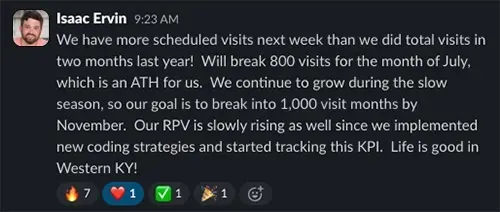
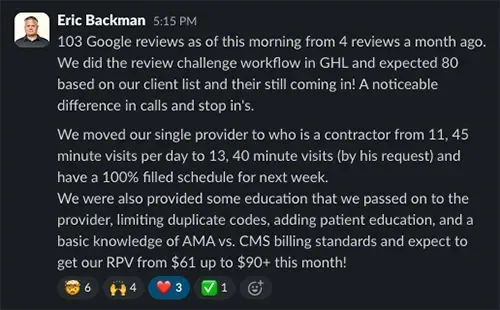
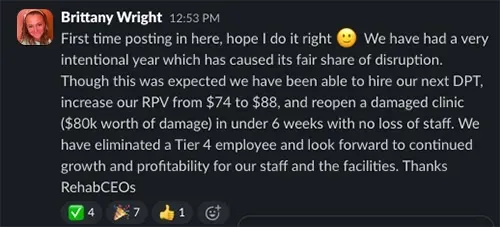

“We Grew 30%”
“Had our Annual Planning with Robbie and it was one of the most helpful things! We grew 30% while getting my wife out of treatment for our first child.”

Eric Gonsalvez
Peak Physical Therapy
Cumberland, RI
“Our First Ever $80K Month!”
“Lots of wins! January ATH on everything and our first ever 80K month! Our new clinic location build out has started and my team is crushing everything.”

Lindsey Bellcase
Shift Physio
Rome, GA
“On Track for $1M Gross Sales”
“Hit our first $85k month last month which puts us on track for $1M gross sales in the rolling 12 months! Never thought that’d be possible!!!”

Sarah Crawford
Wave Anchor Wellness
Cincinnati, OH
What Practice Owners Are Achieving With
This System ⬇
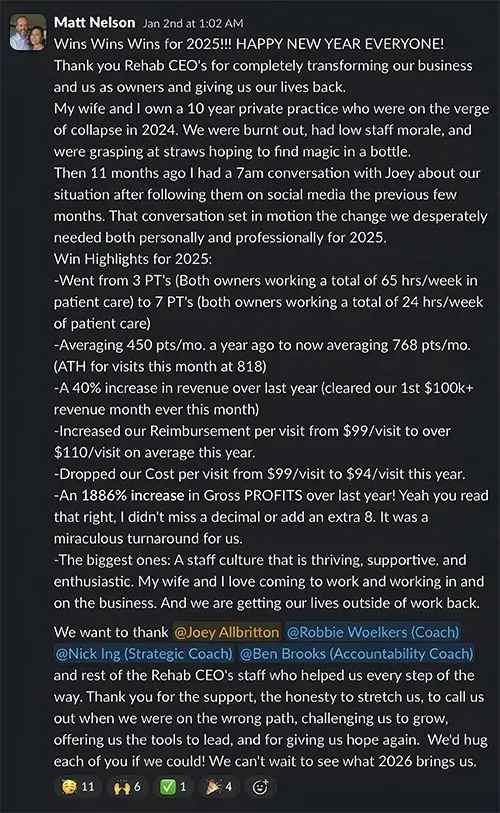
“We Grew 30%”
“Had our Annual Planning with Robbie and it was one of the most helpful things! We grew 30% while getting my wife out of treatment for our first child.”
Eric Gonsalvez
Peak Physical Therapy
Cumberland, RI
“First Ever
$80K Month!”
“Lots of wins! January ATH on everything and our first ever 80K month! Our new clinic location build out has started and my team is crushing everything.”
Lindsey Bellcase
Shift Physio
Rome, GA
“On Track For
$1M Gross Sales”
“Hit our first $85k month last month which puts us on track for $1M gross sales in the rolling 12 months! Never thought that’d be possible!!!”
Sarah Crawford
Wave Anchor Wellness
Cincinnati, OH
There's Something Happening to
Your Schedule... It's NOT the Season.
It's NOT Your Marketing – And
It's About to Get Worse…
It’s the same scene every Sunday night…
You’re at the kitchen table with a cup of coffee that went stone-cold an hour ago.
Monday's schedule is open on your laptop, and the holes in it aren’t the kind of holes you can’t paper over with a Tuesday push or a Wednesday huddle:
Three cancellations you don’t have time to chase.
Two empty slots on Tuesday afternoon.
Wednesday morning is fine…
But Wednesday afternoon is a graveyard 💀
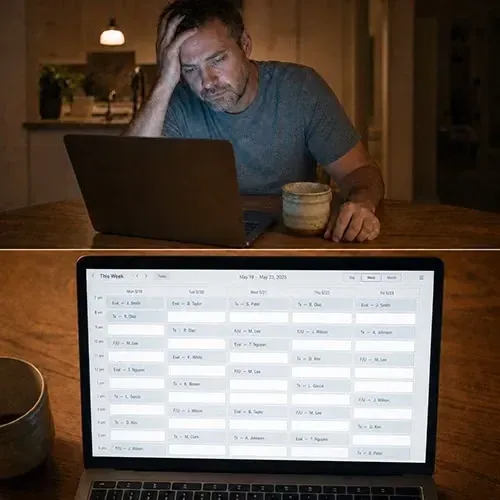
You scroll forward… the next two weeks look just as bad.
You scroll back… the two weeks before were the same.
And last summer is still sitting in the back of your head — a wasteland you keep telling yourself you'll fix before it lands again.
Your stomach tightens. And the same panicked questions you've asked a dozen weeks in a row start running through your head:
“How do I fix this?”
“Cut hours next month?”
“Push the new hire to Q4?”
“Run another round of ads?”
“Text the patients who cancelled?”
Or sit down with the therapist you can't afford to lose, before they do what you can already feel them thinking about.
You've been told it was the “season”...
Told kids would be out of school in a few weeks…
Told to cut hours and ride it out…
Told it was just what happens once Q2 starts winding down…
You'd been told A LOT of things.
But none of them fixed it.
“Summer is just slow. Cut hours. Save costs.”
“It's a marketing problem. Run more ads. Spend more.”
“You can't predict when patients walk through the door.”
That's the chorus.
Most PT practice owners hear some version of it from a peer, a coach, a podcast, or the back of their own head – every time the schedule starts thinning out, whether that's the second week of July or last Tuesday afternoon.
But it's NOT wisdom.
It's a 6-to-8-week lag mistaken for a “season.”
Your Practice Is Already Heading
Toward One of Two Futures – And The
Lag Is Already Deciding Which One…
Two clinics. Same town.
Same payers. Same fee schedules. Same therapists.
Both of them just had their best March in years.
But right now?
One is fully booked a week out. Patients calling in faster than the front desk can route them...
The other is patching holes every Sunday night. Bleeding revenue with every cancellation.

By This September,
The Gap Will Be Even WIDER:
One has a waitlist several weeks long. Patients calling daily to ask if a slot opened up.
The other is discounting. Scrambling. Watching their best therapist interviewing with the clinic across town.
The difference isn't strategy.
It's not talent. It's not market. It's not budget.
It's something most practice owners have never been taught to see…
There's Something Happening To
Your Schedule...
It's NOT the Season...
It's NOT Your Marketing... And It's About to Get Worse
It’s the same scene every Sunday night…
You’re at the kitchen table with a cup of coffee that went stone-cold an hour ago.
Monday's schedule is open on your laptop, and the holes in it aren’t the kind of holes you can’t paper over with a Tuesday push or a Wednesday huddle:
Three cancellations you don’t have time to chase.
Two empty slots on Tuesday afternoon.
Wednesday morning is fine…
But Wednesday afternoon is a graveyard 💀
You scroll forward… the next two weeks look just as bad.
You scroll back… the two weeks before were the same.
And last summer is still sitting in the back of your head — a wasteland you keep telling yourself you'll fix before it lands again.
Your stomach tightens. And the same panicked questions you've asked a dozen weeks in a row start running through your head:
“How do I fix this?”
“Cut hours next month?”
“Push the new hire to Q4?”
“Run another round of ads?”
“Text patients who cancelled?”
Or sit down with the therapist you can't afford to lose, before they do what you can already feel them thinking about.
You've been told it was the “season”...
Told kids would be out of school in a few weeks…
Told to cut hours & ride it out…
Told it was just what happens once Q2 starts winding down…
You'd been told A LOT of things.
But none of them fixed it.
“Summer is just slow. Cut hours. Save costs.”
“It's a marketing problem. Run more ads. Spend more.”
“You can't predict when patients walk through the door.”
That's the chorus.
Most PT practice owners hear some version of it from a peer, a coach, a podcast, or the back of their own head – every time the schedule starts thinning out, whether that's the second week of July or last Tuesday afternoon.
But it's NOT wisdom.
It's a 6-to-8-week lag mistaken for a “season.”
Your Practice Is Already Heading Toward One of Two Futures – And The
Lag Is Already Deciding Which One…
Two clinics. Same town.
Same payers. Same fee schedules. Same therapists.
Both of them just had their best March in years.
But right now?
One is booked a week out. Patients calling in faster than the front desk can route them...
The other is patching holes
in the schedule every night.
Bleeding revenue with every cancellation.
By This September,
The Gap Will Be Even WIDER:
One has a waitlist several weeks long. Patients calling daily to ask if a slot opened up.
The other is discounting. Scrambling. Watching their best therapist interviewing with the clinic across town.
The difference isn't strategy.
It's not talent. It's not market.
It's not budget.
It's something most
practice owners have
never been taught to see…
Here's What's Actually Happening:
The 6-To-8-Week Lag – Working In
Both Directions At Once
PT practice growth runs on a lag.
What you do in your clinic THIS WEEK shows up in your schedule six to eight weeks later.
Which means two things are true at the same time:
How a Single Patient's Revenue Unfolds
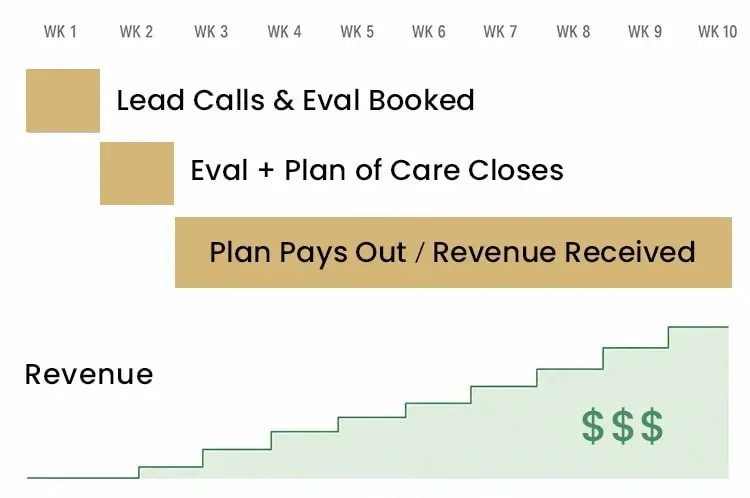
#1) The Lag Runs Forward On a Healthy Schedule:
Week 1: A new lead calls in. Your scheduler responds in under five minutes, books an evaluation 5 to 7 days out.
Week 2: Eval happens. Custom plan of care closes. Patient leaves with all 8 visits booked.
Weeks 3-10: The plan plays out. Revenue from this single patient lands across the next seven weeks.
Now run the same trace on a slow start:
Week 1: Two intake calls go to voicemail because the front desk is swamped. Both leads go to the clinic across town.
Week 3: A drop-off goes unnoticed for 21 days. Patient never returns. Plan of care never finishes.
Week 5: Three new patients book. But with the lead nurture system you don't have, two of them no-show.
Week 8: The schedule six weeks out has a hole in it that's now too late to fill.
What you skip this week (this one, in May) is what bleeds out of your calendar in late July.
How Today's Empty Slot
Was Decided Weeks Ago
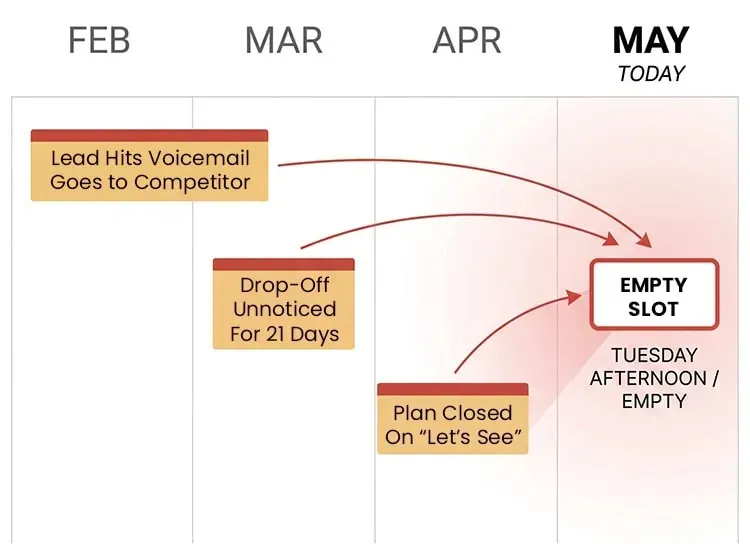
#2) That Same Lag Also Runs Backward:
The empty Tuesday afternoon you're staring at right now?
That's the lag working in reverse.
The result of operational gaps from February, March, and April:
Patients who fell off your books and never got rescued.
Plans of care that closed on “let's see how it goes” instead of fully booked.
Leads who called, got voicemail, and ended up at your competitor’s clinic two miles away.
None of it felt urgent at the time…
But all of it shows up NOW, in a schedule that won't fill itself no matter how many texts you send tonight.
By the time you feel the schedule problem, the verdict was written weeks earlier – back when you couldn't see it yet.
👇 Here's the part most owners miss:
The same lag that's about to ruin your August has
already been quietly ruining your last six weeks.
Same mechanism. Same chain.
Different points on the timeline.
Which means the fix ISN’T future-tense.
It's not something you do “before summer.”
It's a thing you start THIS WEEK – because the same system that bulletproofs the Q3 dead zone also plugs the leak that's draining your calendar right now.
Backend leaks close in days…
Drop-offs come back in days.
Schedule fill is measured in weeks, not quarters.
And every week you wait is another week of holes you'll be paying for in late July.
Here's What's
Actually Happening:
The 6-8-Week Lag – Working In Both Directions At Once
PT practice growth runs on a lag.
What you do in your clinic THIS WEEK shows up in your schedule six to eight weeks later.
Which means two things are true at the same time:
How a Single Patient's
Revenue Unfolds
#1) The Lag Runs Forward
On a Healthy Schedule:
Week 1: A new lead calls in. Your scheduler responds in under five minutes, books an evaluation 5 to 7 days out.
Week 2: Eval happens. Custom plan of care closes. Patient leaves with all 8 visits booked.
Weeks 3-10: The plan plays out. Revenue from this single patient lands across the next seven weeks.
Now run the same trace
on a slow start:
Week 1: Two intake calls go to voicemail because the front desk is swamped. Both leads go to the clinic across town.
Week 3: A drop-off goes unnoticed for 21 days. Patient never returns. Plan of care never finishes.
Week 5: Three new patients book. But with the lead nurture system you don't have, two of them no-show.
Week 8: The schedule six weeks out has a hole in it that's now too late to fill.
What you skip this week (this one, in May) is what bleeds out of your calendar in late July.
How Today's Empty Slot
Was Decided Weeks Ago
#2) That Same Lag
Also Runs Backward:
The empty Tuesday afternoon you're staring at right now?
That's the lag working in reverse.
The result of operational gaps from February, March, and April:
Patients who fell off your books and never got rescued.
Plans of care that closed on “let's see how it goes” instead of fully booked.
Leads who called, got voicemail, and ended up at your competitor’s clinic two miles away.
None of it felt urgent at the time…
But all of it shows up NOW, in a schedule that won't fill itself no matter how many texts you send tonight.
By the time you feel the schedule problem, the verdict was written weeks earlier – back when you couldn't see it yet.
👇 Here's the part most owners miss:
The same lag that's
about to ruin your August
has already been quietly ruining your last six weeks
Same mechanism. Same chain.
Different points on the timeline.
Which means the fix ISN’T future-tense.
It's not something you do “before summer.”
It's a thing you start THIS WEEK – because the same system that bulletproofs the Q3 dead zone also plugs the leak that's draining your calendar right now.
Backend leaks close in days…
Drop-offs come back in days.
Schedule fill is measured in weeks, not quarters.
And every week you wait is another week of holes you'll be paying for in late July.
What Most Owners Think Is
“Just a Slow Summer" Is Actually
Three Forces Working Against You
At The Same Time
The lag isn't the only thing happening. Three structural forces collide between mid-May and mid-September every year.
They've been colliding on the same calendar, at the same scale, in markets across the country.
Weekly Patient Visits – Calendar Year
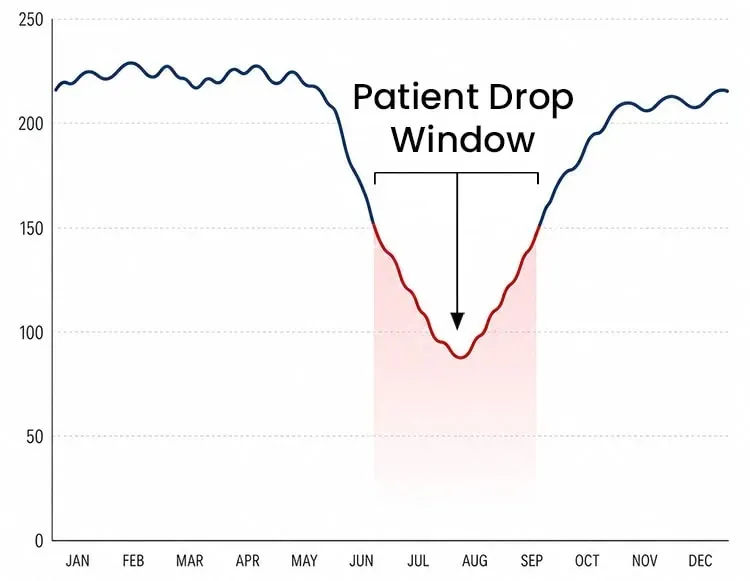
Force #1 – The Patient Drop Window
Kids are out of school. Family routines pause.
Insurance deductibles are mid-cycle, not fresh.
Snowbirds go home. Patients delay non-acute care to take a vacation.
Volume softens, predictably, every summer.
The severity varies by geography. The direction doesn't.

Force #2 – The Hiring Window
The 2026 NPTE-PT exam runs July 28–29.
Scores hit jurisdictions August 5.
Candidate reports release August 12.
The clinics that decided to hire in June have offers waiting when candidates become licensable in mid-August.
The clinics that wait until summer feels slow are six weeks behind a hiring competition for the same scarce pool.
BLS projects 11% PT employment growth from 2024–2034, about 13,200 PT openings per year.
Every August you wait, the candidates worth hiring get pulled by the clinics that planned ahead.
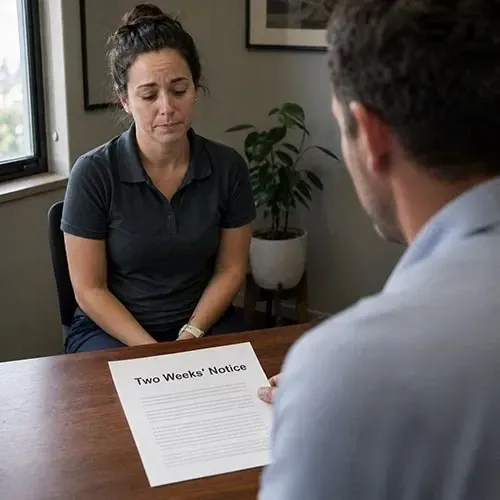
Force #3 – The Team-Flight Risk
When summer revenue softens, the therapists who have options start to notice. And the ones who can leave for a clinic with momentum start interviewing.
The most expensive form of summer damage isn't the empty slots on your schedule...
It's the goodbye conversation with the therapist you spent two years training and couldn't afford to lose.
Once that conversation happens, it’s game over.
But these three forces aren't a coincidence…
They're the same recurring industry pattern, observed across 400+ PT practices, every summer, for years.
Owners who DON’T see the pattern think they're just having another “bad summer”
Owners who DO see the pattern are running their practice on what's coming six weeks out – instead of reacting to what already happened six weeks ago.
What Most Owners Think Is “Just a Slow Summer"
Is Actually...
Three Forces Working Against You At The Same Time
The lag isn't the only thing happening. Three structural forces collide between mid-May and mid-September every year.
They've been colliding on the same calendar, at the same scale, in markets across the country.
Weekly Patient Visits – Calendar Year
Force #1:
The Patient Drop Window
Kids are out of school. Family routines pause.
Insurance deductibles are mid-cycle, not fresh.
Snowbirds go home. Patients delay non-acute care to take a vacation.
Volume softens, predictably, every summer.
The severity varies by geography. The direction doesn't.
Force #2:
The Hiring Window
The 2026 NPTE-PT exam runs July 28–29.
Scores hit jurisdictions August 5.
Candidate reports release Aug 12.
The clinics that decided to hire in June have offers waiting when candidates become licensable in mid-August.
The clinics that wait until summer feels slow are six weeks behind a hiring competition for the same scarce pool.
BLS projects 11% PT employment growth from 2024–2034, about 13,200 PT openings per year.
Every August you wait, the candidates worth hiring get pulled by the clinics that planned ahead.
Force #3:
The Team-Flight Risk
When summer revenue softens, the therapists who have options start to notice. And the ones who can leave for a clinic with momentum start interviewing.
The most expensive form of summer damage isn't the empty slots on your schedule...
It's the goodbye conversation with the therapist you spent two years training and couldn't afford to lose.
Once that conversation happens, it’s game over.
But these three forces aren't a coincidence…
They're the same recurring industry pattern, observed across 400+ PT practices, every summer, for years.
Owners who DON’T see the pattern think they're just having another “bad summer”
Owners who DO see the pattern are running their practice on what's coming 6 weeks out – instead of reacting to what already happened 6 weeks ago.
Here's What Your Schedule
Will Look Like – Once You Stop
Having to Patch It Every Week
It's a Tuesday morning.
Next Tuesday – not some far off Tuesday three months away.
You open the laptop expecting the same patchwork you've been running every week:
Three holes Tuesday afternoon. Two on Wednesday.
The same panic-text to the same handful of patients you should have rescued back in February.
But it's not there…
And your schedule is FULL:
Tuesday is full.
Wednesday morning is full.
Wednesday afternoon (the slot that used to be a graveyard) has two evals back-to-back, both rescued from your existing patient base inside the last forty-eight hours.
Thursday holds a 9 a.m. and a 2 p.m. eval slot deliberately protected for new acute add-ons. The rest is full.
Friday has one open slot you held for an emergency.
The week behind it is full, too. The week after that is filling.
Your front desk is making the schedule, not patching it.
It's six weeks in. Friday afternoon.
You wrap your last patient at 3:30.
Notes are already drafted (a five-minute end-of-session habit you finally locked in because the schedule isn't chaotic enough to push it off anymore).
You close the laptop at 3:45. Drive home.
You're in the kitchen before the kid gets off the school bus.
The phone is in another room.
You're present (for the first three-hour stretch of an afternoon in months), and your kid notices.

That's what the lag looks like when it's working FOR you instead of against you.
Here's What Your Schedule
Will Look Like
Once You Stop Having to Patch It Every Week
It's a Tuesday morning.
Next Tuesday – not some far off Tuesday three months away.
You open the laptop expecting the same patchwork you've been running every week:
Three holes Tuesday afternoon. Two on Wednesday.
The same panic-text to the same handful of patients you should have rescued back in February.
But it's not there…
And your schedule is FULL:
Tuesday is full.
Wednesday morning is full.
Wednesday afternoon (the slot that used to be a graveyard) has two evals back-to-back, both rescued from your existing patient base inside the last forty-eight hours.
Thursday holds a 9 a.m. and a 2 p.m. eval slot deliberately protected for new acute add-ons. The rest is full.
Friday has one open slot you held for an emergency.
The week behind it is full, too. The week after that is filling.
Your front desk is making the schedule, not patching it.
It's six weeks in. Friday afternoon.
You wrap your last patient at 3:30.
Notes are already drafted (a five-minute end-of-session habit you finally locked in because the schedule isn't chaotic enough to push it off anymore).
You close the laptop at 3:45. Drive home.
You're in the kitchen before the kid gets off the school bus.
The phone is in another room.
You're present (for the first three-hour stretch of an afternoon in months), and your kid notices.
That's what the lag looks like when it's working FOR you instead of against you.
Fully-Booked Practice Workshop
Here's What We'll Show You
During the Live Workshop:
The workshop teaches a four-system bundle.
Not four separate fixes – one system with four moving parts that turns the lag from a hidden killer into a controllable input.
Each system attacks the lag at a different stage of the chain:
The first system fills slots this week.
The second tightens conversion across the next month.
The third stacks demand into the hiring window.
The fourth creates visibility weeks before the schedule does.
Together they bulletproof the Q3 dead zone – and every other slow stretch the calendar will throw at you for the rest of the year.
System #1: Days 0-30
Reputation Operating System
The Zero-Lag Layer – schedule fill
measured in days, not quarters.
The Active Patient OS – the in-EMR audit that uncovers a hidden share of next week's capacity sitting unbooked in your existing patient base.
Most clinics find 30%–50% of their needed weekly capacity recoverable inside seven days – without spending a dollar on new leads.The Patient Rescue OS – the daily report that flags drop-offs before they happen, plus the timed rescue protocol for the ones that already have.
Patient flow you've already paid for: off your books one week, back on the schedule the next.The Team Buy-In + Proof OS – the team-side engine that turns every successful clinical outcome into a chain of reviews, referrals, and returning patients.
Your front desk gets easier as your back end gets stronger – and your team becomes the highest-ROI marketing channel you've got.
Same-week impact. No additional ad spend.
System #2: Days 31-60
Registration Operating System
The Short-Lag Layer – every lead
converts at maximum efficiency.
Speed to Lead – the under-five-minute response window that decides which clinic gets the patient (and the next eight visits in their plan of care).
Why 78% of leads book with whoever responds first – and the auto-response setup that catches them while the phone is still in their hand.
Most clinics still take 30+ minutes. The clinics installing this answer in seconds.The P.A.T.I.E.N.T. Framework – the 7-step intake call structure that ends every conversation in a scheduled eval or a clear no – never “let me think about it.”
Built for PT phone calls specifically, not generic sales scripts (your scheduler can run it cold in less than a week).The Custom Plan of Care Close – the 8-step Clinical Onboarding flow that ends every evaluation in a fully-booked plan, not “let's see how it goes.”
Plus the 72-hour rule that quietly cuts your eval-to-visit-to no-show rate in half (a 10-minute fix most clinics have never been told exists).
Twice the booked plans. Same lead volume.
System #3: Days 61-90
Reach Operating System
The Long-Lag Layer – demand
stacked into the hiring window.
MORE → BETTER → NEW – the three-stage decision rule that tells you which channel to expand, which to upgrade, and which to add – in the order that compounds.
Why almost every clinic tries "NEW" first, loses Q3, and blames the market. The order isn't preference.
It's the difference between marketing that compounds and marketing that bleeds money.The 11-Channel Growth Stack – eleven patient acquisition channels purpose-built for PT clinics, ranked in the order you should install them (most owners are only running two of them, badly).
The other nine are either uninstalled or quietly leaking money on autopilot.Demand Stacking Into the Hiring Window – why summer is when paid-ad cost-per-patient quietly drops in your favor (most clinics are pulling back, freeing up the ad auction and lowering costs).
And how to time your demand spend so the therapist arriving in August walks into a fully-booked schedule, not an empty one.
Demand on your terms. Cost on the calendar's.
System #4: Continuous
Reporting Operating System
The Visibility Layer – woven through all 90 days
to help you know what’s working (and what’s not).
The Weekly Operating Rhythm – the Monday cadence that turns your dashboard from a backward-looking revenue report into a forward-looking schedule predictor.
The owner who sees a 5% conversion drop in Week 1 corrects in Week 2. The owner who feels the schedule problem in Week 8 has already lost the quarter.Forward-Looking Metrics That Respect the Lag – the small set of operational numbers that show you what your schedule will look like before it does, not after.
Most owners run their practice on last month's revenue. This shows you the three numbers that actually predict next month's revenue.The Three-Dashboard Architecture – the dashboards that turn each of your three operating systems into a self-monitoring engine: which leak is widening, which conversion is slipping, which channel is losing money.
Most owners run their practice on a single revenue line. This gives you three lines that actually predict it.
See the problem weeks before it shows up.
These are the same systems owners inside Rehab CEOs are using to fill their schedules week after week – and walk into Q3 booked solid while the rest of the industry scrambles.
On May 28, we lay out the whole sequence – what to install this week, what compounds across the next month, and how the whole thing bulletproofs your schedule for the rest of the year.
Fully-Booked Practice Workshop
Here's What
We'll Show You
During the Live Workshop:
The workshop teaches a four-system bundle.
Not four separate fixes – one system with four moving parts that turns the lag from a hidden killer into a controllable input.
Each system attacks the lag at a different stage of the chain:
The first system fills slots this week.
The second tightens conversion across the next month.
The third stacks demand into the hiring window.
The fourth creates visibility weeks before the schedule does.
Together they bulletproof the Q3 dead zone – and every other slow stretch the calendar will throw at you for the rest of the year.
System #1: Days 0-30
Reputation Operating System
The Zero-Lag Layer – schedule fill
measured in days, not quarters.
The Active Patient OS – the in-EMR audit that uncovers a hidden share of next week's capacity sitting unbooked in your existing patient base.
Most clinics find 30%–50% of their needed weekly capacity recoverable inside seven days – without spending a dollar on new leads.The Patient Rescue OS – the daily report that flags drop-offs before they happen, plus the timed rescue protocol for the ones that already have.
Patient flow you've already paid for: off your books one week, back on the schedule the next.The Team Buy-In + Proof OS – the team-side engine that turns every successful clinical outcome into a chain of reviews, referrals, and returning patients.
Your front desk gets easier as your back end gets stronger – and your team becomes the highest-ROI marketing channel you've got.
Same-week impact.
No additional ad spend.
System #2: Days 31-60
Registration Operating System
The Short-Lag Layer – every lead
converts at maximum efficiency.
Speed to Lead – the under-five-minute response window that decides which clinic gets the patient (and the next eight visits in their plan of care).
Why 78% of leads book with whoever responds first – and the auto-response setup that catches them while the phone is still in their hand.
Most clinics still take 30+ minutes. The clinics installing this answer in seconds.The P.A.T.I.E.N.T. Framework – the 7-step intake call structure that ends every conversation in a scheduled eval or a clear no – never “let me think about it.”
Built for PT phone calls specifically, not generic sales scripts (your scheduler can run it cold in less than a week).The Custom Plan of Care Close – the 8-step Clinical Onboarding flow that ends every evaluation in a fully-booked plan, not “let's see how it goes.”
Plus the 72-hour rule that quietly cuts your eval-to-visit-to no-show rate in half (a 10-minute fix most clinics have never been told exists).
Twice the booked plans.
Same lead volume.
System #3: Days 61-90
Reach
Operating System
The Long-Lag Layer – demand
stacked into the hiring window.
MORE → BETTER → NEW – the three-stage decision rule that tells you which channel to expand, which to upgrade, and which to add – in the order that compounds.
Why almost every clinic tries "NEW" first, loses Q3, and blames the market. The order isn't preference.
It's the difference between marketing that compounds and marketing that bleeds money.The 11-Channel Growth Stack – eleven patient acquisition channels purpose-built for PT clinics, ranked in the order you should install them (most owners are only running two of them, badly).
The other nine are either uninstalled or quietly leaking money on autopilot.Demand Stacking Into the Hiring Window – why summer is when paid-ad cost-per-patient quietly drops in your favor (most clinics are pulling back, freeing up the ad auction and lowering costs).
And how to time your demand spend so the therapist arriving in August walks into a fully-booked schedule, not an empty one.
Demand on your terms.
Cost on the calendar's.
System #4: Continuous
Reporting Operating System
The Visibility Layer – woven through all 90 days
to help you know what’s working (and what’s not).
The Weekly Operating Rhythm – the Monday cadence that turns your dashboard from a backward-looking revenue report into a forward-looking schedule predictor.
The owner who sees a 5% conversion drop in Week 1 corrects in Week 2. The owner who feels the schedule problem in Week 8 has already lost the quarter.Forward-Looking Metrics That Respect the Lag – the small set of operational numbers that show you what your schedule will look like before it does, not after.
Most owners run their practice on last month's revenue. This shows you the three numbers that actually predict next month's revenue.The Three-Dashboard Architecture – the dashboards that turn each of your three operating systems into a self-monitoring engine: which leak is widening, which conversion is slipping, which channel is losing money.
Most owners run their practice on a single revenue line. This gives you three lines that actually predict it.
See the problem weeks
before it shows up.
These are the same systems owners inside Rehab CEOs are using to fill their schedules week after week – and walk into Q3 booked solid while the rest of the industry scrambles.
On May 28, we lay out the whole sequence – what to install this week, what compounds across the next month, and how the whole thing bulletproofs your schedule for the rest of the year.
Who This Workshop Is For
This Workshop Is For:
Your schedule has had holes in it for weeks and you're tired of patching them every Sunday night.
You can name the slow stretches that came out of nowhere. The panic hire. The therapist who left for somewhere with more momentum.
You're tired of having a different version of the same conversation every quarter – and you're done waiting until next year to arrive before you do something about it.You're hiring soon and want your practice running well when the new therapist arrives.
Not a desperate clinic plugging holes. An operation with the systems already installed so the new hire walks into structure, not chaos.You want to know exactly what to install before the calendar makes another decision for you.
You understand that what's empty on your schedule today was decided 6 to 8 weeks ago – and what's empty on Q3’s schedule is being decided right now.
You'd rather act this week than wonder in late July why August looks the same as last year.
This Is NOT For:
You're looking for a one-tactic marketing fix.
This is a system, not a single lever. The lag isn't a marketing problem. It's an operations problem.
If you're hoping the next Facebook ad fixes a leaking schedule, this isn't going to land.You believe slow stretches can be fixed by acting once the slow stretch arrives.
The 6-to-8-week lag means by the time you feel the slowdown (any slowdown) the verdict has already been written six weeks earlier.
If “I’ll deal with it when I see it” is your operating principle, the workshop won't be useful to you,
and we won't argue with you about it.You think summer slowdowns are random bad luck.
We'll respectfully disagree. We've watched the same forces, on the same calendar, at the same scale, across 400+ practices for years now.
If you want to keep the “it's just the season” frame, that's your call. We're going to spend three hours showing you the pattern (and how to fix it).

Who This Workshop Is For
This Workshop Is For:
Your schedule has had holes in it for weeks and you're tired of patching them every Sunday night.
You can name the slow stretches that came out of nowhere. The panic hire. The therapist who left for somewhere with more momentum.
You're tired of having a different version of the same conversation every quarter – and you're done waiting until next year to arrive before you do something about it.You're hiring soon and want your practice running well when the new therapist arrives.
Not a desperate clinic plugging holes. An operation with the systems already installed so the new hire walks into structure, not chaos.You want to know exactly what to install before the calendar makes another decision for you.
You understand that what's empty on your schedule today was decided 6 to 8 weeks ago – and what's empty on Q3’s schedule is being decided right now.
You'd rather act this week than wonder in late July why August looks the same as last year.
This Is NOT For:
You're looking for a one-tactic marketing fix.
This is a system, not a single lever. The lag isn't a marketing problem. It's an operations problem.
If you're hoping the next Facebook ad fixes a leaking schedule, this isn't going to land.You believe slow stretches can be fixed by acting once the slow stretch arrives.
The 6-to-8-week lag means by the time you feel the slowdown (any slowdown) the verdict has already been written six weeks earlier.
If “I’ll deal with it when I see it” is your operating principle, the workshop won't be useful to you, and we won't argue with you about it.You think summer slowdowns are random bad luck.
We'll respectfully disagree. We've watched the same forces, on the same calendar, at the same scale, across 400+ practices for years now.
If you want to keep the “it's just the season” frame, that's your call. We're going to spend three hours showing you the pattern (and how to fix it).
Your Hosts For This Workshop
Meet The Two PTs Who’ve Helped
250+ Practice Owners & 400+ Clinics
Get Fully-Booked With a Long Waitlist

Dr. Robbie Woelkers
Robbie didn't build just one PT clinic. He built three. Co-owned three practices in Virginia. Scaled them to 7-figure operations between 2015 and 2021 while treating fewer patients each year. Figured out how to step back from daily clinical work without the practice cratering. Then sold his shares to coach full-time.
Seven straight summers running three clinics is where the lag became impossible to ignore. He had his own panic-hire summers. His own discount-to-fill-slots Augusts. His own conversation with the therapist he didn't want to lose, and didn't see coming.
The same forces hit every year, on the same calendar, at the same scale. The owners who beat it weren't the ones with bigger ad budgets. They were the ones who started in June. That observation, repeated across his own three practices and now across 400+ Rehab CEOs members, is what this workshop teaches.

Dr. Joey Allbritton
Joey has spent the last seven years building patient-acquisition systems exclusively for PT clinics. Not chiropractic, not orthodontics, not gyms, not generic small-business marketing. PT specifically. Insurance reimbursement specifically.
Things like eight-visit plans of care, scheduler workflows, MD referral pipelines, the in-network vs. out-of-network math, the specific friction points between intake call and first eval. These are the operational details he's spent thousands of hours installing across hundreds of PT practices nationwide.
His approach focuses on attracting the right patients while building the team infrastructure to serve them sustainably, without burning out the owner or the team. The Registration OS taught at the workshop is the result of seven years of patient-acquisition systems applied across the 400+ practice Rehab CEOs network.
Your Hosts For This Workshop
Meet The PTs
Who’ve Helped
250+ Practice Owners
And 400+ Clinics
Get Fully-Booked
With a Long Waitlist
Dr. Robbie Woelkers
Robbie didn't build just one
PT clinic. He built three.
Co-owned three practices in Virginia. Scaled them to 7-figure operations between 2015 and 2021 while treating fewer patients each year.
Figured out how to step back from daily clinical work without the practice cratering. Then sold his shares to coach full-time.
Seven straight summers running three clinics is where the lag became impossible to ignore.
He had his own panic-hire summers. His own discount-to-fill-slots Augusts. His own conversation with the therapist he didn't want to lose, and didn't see coming.
The same forces hit every year, on the same calendar, at the same scale. The owners who beat it weren't the ones with bigger ad budgets. They were the ones who started in June.
That observation, repeated across his own three practices and now across 400+ Rehab CEOs members, is what this workshop teaches.
Dr. Joey Allbritton
Joey has spent the last
seven years building
patient-acquisition systems
exclusively for PT clinics.
Not chiropractic, not orthodontics, not gyms, not generic small-business marketing. PT specifically. Insurance reimbursement specifically.
Things like eight-visit plans of care, scheduler workflows, MD referral pipelines, the in-network vs. out-of-network math, the specific friction points between intake call and first eval.
These are the operational details he's spent thousands of hours installing across hundreds of PT practices nationwide.
His approach focuses on attracting the right patients while building the team infrastructure to serve them sustainably, without burning out the owner or the team.
The Registration OS taught at the workshop is the result of seven years of patient-acquisition systems applied across the 400+ practice Rehab CEOs network.
Here’s When We Go Live:
📅 When: Thursday, May 28th at 12pm-2:30pm EST
📍 Where: Live on Zoom (recording included if you can't attend live)
💰 Investment: $97
✅ Guarantee: If you don't get at least one specific change you can implement this week, email us. Full refund, no forms, no follow-up call. Keep the bonuses.
Here’s When
We Go Live:
📅 When:
Thursday, May 28th
at 12pm-2:30pm EST
📍 Where:
Live on Zoom
(recording included if
you can't attend live)
💰 Investment:
$97
✅ Guarantee:
If you don't get at least one specific change you can implement this week, email us. Full refund, no forms, no follow-up call. Keep the bonuses.
Here's A Preview Of
What You'll Discover:
The Strange Reason Next Week's Schedule Already Has Holes In It – and why the fix isn't more leads, more ads, or more hustle. Once you see this, you can't unsee it. And the 5% conversion drop you used to write off as "a slow week" never reads the same way again.
Why 30% to 50% of Next Week's Empty Slots Are Sitting Inside Your Own EMR Right Now – already paid for, already invoiced, already on a plan of care. The fastest schedule-fill in PT isn't lead-gen. It's an audit you can run before Friday with no new spend, no new leads, and no new staff.
The 78% Rule – the four-to-five-minute window that decides which clinic gets the patient (and the eight-visit plan of care that comes with them). 78% of leads book with whoever calls back first. Most clinics are still answering in 30+ minutes.
The 7-Step Intake Call Script That Was Built for One Job Only – ending every call in either a scheduled eval or a clear no. No more “let me think about it.” No more “I’ll call you back.” No more leads that disappear after one phone call. Built specifically for PT phone conversations – and your front desk can run it cold inside a week.
Why Scheduling a New Patient More Than 72 Hours Out Doubles Your No-Show Rate – the small ten-minute fix that lives between intake and arrival, that nothing about the clinical workflow tells you to install. Most owners have never been told it exists, even though it's the single quietest reason their schedule keeps leaking.
The 8-Step Clinical Close That Books the Whole Plan of Care, Not Just the Next Visit – patients walk out of the eval with all 8 visits already on the calendar, the next appointment confirmed, and zero “do I really need to come back?” hesitation. This is the move that turns a 30%-conversion clinic into a 70%-conversion clinic without changing a single thing about the marketing.
The Single Sentence That Tells You Which Marketing Channel to Fix Next – and why the order most clinics use (“let's try something new”) is exactly why their existing channels keep underperforming and their ad costs keep climbing. This rule alone has rescued more Q3s than any individual ad campaign in the network.
The Three-Symptom Pattern That Predicts Which Patients Will Quietly Fall Off Your Schedule Next Week – and the daily one-page report that flags them in time to do something about it. Most owners don't know this report exists until they see it run on their own EMR – and discover what a difference 30%+ patient recovery makes.
The Conversion-Rate Math That Makes Ad Spend Almost Irrelevant – why two clinics with identical lead volume can have completely different P&Ls, and the single-line calculation that tells you whether you actually have a marketing problem or a conversion problem. Most owners diagnose this wrong on the first try – and spend a quarter throwing money at the wrong end of the funnel.
Why the Best Therapist Hires of the Year Are Locked In During the Second Week of June – the candidate-licensure timeline that decides which clinics get the talent and which clinics interview the leftovers six weeks too late. Plus the BLS data that tells you exactly how tight this labor market is going to be for the next decade.
The 30-60-90 Installation Sequence That Compounds (And The One That Collapses) – three phases, one specific order, zero exceptions. Pull them out of sequence and the whole bundle falls apart. Most owners do them backwards on the first try. Done in the right order, each phase amplifies the next, and the schedule is full long before anyone notices what changed.
Why the Numbers on Your P&L Are the Wrong Numbers – the small set of forward-looking operational metrics that tell you what August's revenue will be by the second week of July, before the dip can land. The owner who spots a 5% slip in Week 1 corrects it in Week 2. The owner who feels the schedule problem in Week 8 has already lost the quarter.
Here's A Preview Of
What You'll Discover:
The Strange Reason Next Week's Schedule Already Has Holes In It – and why the fix isn't more leads, more ads, or more hustle.
Once you see this, you can't unsee it. And the 5% conversion drop you used to write off as "a slow week" never reads the same way again.Why 30% to 50% of Next Week's Empty Slots Are Sitting Inside Your Own EMR Right Now – already paid for, already invoiced, already on a plan of care.
The fastest schedule-fill in PT isn't lead-gen. It's an audit you can run before Friday with no new spend, no new leads, and no new staff.The 78% Rule – the four-to-five-minute window that decides which clinic gets the patient (and the eight-visit plan of care that comes with them).
78% of leads book with whoever calls back first. Most clinics are still answering in 30+ minutes.The 7-Step Intake Call Script That Was Built for One Job Only – ending every call in either a scheduled eval or a clear no. No more “let me think about it.” No more “I’ll call you back.” No more leads that disappear after one phone call.
Built specifically for PT phone conversations – and your front desk can run it cold inside a week.Why Scheduling a New Patient More Than 72 Hours Out Doubles Your No-Show Rate – the small ten-minute fix that lives between intake and arrival, that nothing about the clinical workflow tells you to install.
Most owners have never been told it exists, even though it's the single quietest reason their schedule keeps leaking.The 8-Step Clinical Close That Books the Whole Plan of Care, Not Just the Next Visit – patients walk out of the eval with all 8 visits already on the calendar, the next appointment confirmed, and zero “do I really need to come back?” hesitation.
This is the move that turns a 30%-conversion clinic into a 70%-conversion clinic without changing a single thing about the marketing.The Single Sentence That Tells You Which Marketing Channel to Fix Next – and why the order most clinics use (“let's try something new”) is exactly why their existing channels keep underperforming and their ad costs keep climbing.
This rule alone has rescued more Q3s than any individual ad campaign in the network.The Three-Symptom Pattern That Predicts Which Patients Will Quietly Fall Off Your Schedule Next Week – and the daily one-page report that flags them in time to do something about it.
Most owners don't know this report exists until they see it run on their own EMR – and discover what a difference 30%+ patient recovery makes.The Conversion-Rate Math That Makes Ad Spend Almost Irrelevant – why two clinics with identical lead volume can have completely different P&Ls, and the single-line calculation that tells you whether you actually have a marketing problem or a conversion problem.
Most owners diagnose this wrong on the first try – and spend a quarter throwing money at the wrong end of the funnel.Why the Best Therapist Hires of the Year Are Locked In During the Second Week of June – the candidate-licensure timeline that decides which clinics get the talent and which clinics interview the leftovers six weeks too late.
Plus the BLS data that tells you exactly how tight this labor market is going to be for the next decade.The 30-60-90 Installation Sequence That Compounds (And The One That Collapses) – three phases, one specific order, zero exceptions. Pull them out of sequence and the whole bundle falls apart. Most owners do them backwards on the first try.
Done in the right order, each phase amplifies the next, and the schedule is full long before anyone notices what changed.Why the Numbers on Your P&L Are the Wrong Numbers – the small set of forward-looking operational metrics that tell you what August's revenue will be by the second week of July, before the dip can land.
The owner who spots a 5% slip in Week 1 corrects it in Week 2. The owner who feels the schedule problem in Week 8 has already lost the quarter.
FREE BONUSES
When You Register,
You'll Also Receive:
📋 The 30-60-90 Lag Calendar
A printable, fillable calendar that maps each of the four operating systems to specific weeks of June, July, and August. Plug in your start date. It auto-builds your personalized rollout schedule. Put it on your wall. Know exactly what to install on which week.
📊 The Find-Your-Constraint Worksheet + Calculator
The 6-metric worksheet from the workshop's Reputation OS opener, plus a simple spreadsheet that auto-runs the three-rule diagnostic: retention problem, marketing problem, or systems problem. Fill it out once. Know your real constraint, not your guessed one.
🔎 The 4-Tier Plan Of Care Audit Template
The exact patient-classification audit from the Active Patient OS module. Run it in your own EMR within 24 hours of the workshop. Most owners discover 30% to 50% of their needed weekly capacity is already sitting in tiers 2 and 3: patients on partial plans of care or one-visit-and-gone, ready to be re-enrolled this week – long before any slowdown lands.
📹 Full Workshop Recording
The full three-hour workshop recorded, hosted permanently, lifetime access.
If you can't attend live (or if you want to play it back with your front desk or your spouse on the couch), it's there. The Q&A replay includes every question Robbie and Joey answer live.
FREE BONUSES
When You Register,
You'll Also Receive:
📋 The 30-60-90
Day Lag Calendar
A printable, fillable calendar that maps each of the four operating systems to specific weeks of June, July, and August.
Plug in your start date. It auto-builds your personalized rollout schedule. Put it on your wall. Know exactly what to install on which week.
📊 The Find-Your-Constraint Worksheet
+ Calculator
The 6-metric worksheet from the workshop's Reputation OS opener, plus a simple spreadsheet that auto-runs the three-rule diagnostic: retention problem, marketing problem, or systems problem.
Fill it out once. Know your real constraint, not your guessed one.
🔎 The 4-Tier Plan of Care
Audit Template
The exact patient-classification audit from the Active Patient OS module. Run it in your own EMR within 24 hours of the workshop. Most owners discover 30% to 50% of their needed weekly capacity is already sitting in tiers 2 and 3: patients on partial plans of care or one-visit-and-gone, ready to be re-enrolled this week – long before any slowdown lands.
📹 Full Workshop
Recording
The full three-hour workshop recorded, hosted permanently, lifetime access.
If you can't attend live (or if you want to play it back with your front desk or your spouse on the couch), it's there. The Q&A replay includes every question Robbie and Joey answer live.
$72,000 Per Provider, Per Year.
That's What a 30% Empty Schedule
Actually Costs You
Whether your provider treats ten patients today or seven, you're paying them the same salary, the same hours, the same rate.
So your schedule doesn’t decide what you spend on payroll…
It decides how much revenue you actually capture against payroll you've already committed to.
Empty slots aren't an expense. They're revenue you could be billing (that you're not) every single week the holes go unfilled.
👇 Here’s the math:
A typical staff PT, at full capacity, treats roughly 10 patients per day at an average of $100 per visit in revenue (and that’s deliberately conservative).
At 100% capacity, that's:
$1,000 per day, per provider
$5,000 per week
$20,000 per month
$240,000 per year
Now drop the schedule to 70% capacity – three empty slots per provider per day.
Same staff. Same rates. Same hours.
Just three holes in the calendar where there should be patients.
👇 Here's what that gap costs you:
$300 per day, per provider
$1,500 per week
$6,000 per month
$72,000 per year
$72,000 per provider, per year, that doesn't show up on the P&L because it never got billed.
Same operating cost. Same payroll. Same rent.
Same everything – except your schedule has holes in it.
And if you have more than one provider, it’s even worse:
1 Provider = $72,000 Lost Revenue Per Year
2 Providers = $144,000 Lost Revenue Per Year
1 Provider = $216,000 Lost Revenue Per Year
And if your schedule is running closer to 50% empty (five patients a day instead of ten), those numbers double:
$500 per day, per provider
$2,500 per week
$10,000 per month
$120,000 per year
The cost isn't theoretical. It's already coming out of your top line, every single week the holes go unfilled.
Now compare it to the workshop.
The workshop is $97.
One extra patient visit pays for it ($100 in revenue from a single new eval covers the entire ticket).
If this workshop helps you rebook just two extra patients in your first week – it has already returned 200%.
After that, every additional eval the system books for you is pure recovery on revenue you weren't going to capture otherwise.
Now compare it to the cost of waiting.
The workshop is on May 28. The fix begins the morning of May 29.
Every week you delay past that is another $1,500 per provider in foregone revenue. Compounding, week after week, on the same staff you're already paying:
Wait until June (~two-week delay): ~$3,000 per provider in foregone revenue you've already missed.
Wait until July (~six-week delay): ~$9,000 per provider. The August hiring window has started closing. Reputation OS has a tighter runway. Q3 starts loading later than it should.
Wait until August (~ten-week delay): ~$15,000 per provider just from the wait, plus most of August's schedule already written, plus the cost of a therapist hire that went to the clinic across town and that you can't recoup until November.
Wait an Entire Year: ~$72,000 per provider – at 30% empty. $120,000 per provider if your schedule runs 50% empty. Compounding every week you don't fix it.
The calendar is doing it for your schedule, every single week.
You're not late yet…
You won't be late on June 1st either.
But every empty slot in next week's schedule is revenue that doesn't come back to you.
And by July 15th, the lag has already started writing your fate for August.
Your schedule is being decided this week – in what you choose to do, or not do, between now and the next Sunday night you sit at the kitchen table looking at another half-empty calendar.
So click the button below to save your seat and make sure your schedule is packed full with a weeks-long waitlist:
$72,000
Per Provider, Per Year.
That's What a 30% Empty Schedule
Actually Costs You
Whether your provider treats ten patients today or seven, you're paying them the same salary, the same hours, the same rate.
So your schedule doesn’t decide what you spend on payroll…
It decides how much revenue you actually capture against payroll you've already committed to.
Empty slots aren't an expense. They're revenue you could be billing (that you're not) every single week the holes go unfilled.
👇 Here’s the math:
A typical staff PT, at full capacity, treats roughly 10 patients per day at an average of $100 per visit in revenue (and that’s deliberately conservative).
At 100% capacity, that's:
$1,000 per day, per provider
$5,000 per week
$20,000 per month
$240,000 per year
Now drop the schedule to 70% capacity – three empty slots per provider per day.
Same staff. Same rates. Same hours.
Just three holes in the calendar where there should be patients.
👇 Here's what that gap costs you:
$300 per day, per provider
$1,500 per week
$6,000 per month
$72,000 per year
$72,000 per provider, per year, that doesn't show up on the P&L because it never got billed.
Same operating cost. Same payroll. Same rent.
Same everything – except your schedule has holes in it.
And if you have more than one provider, it’s even worse:
1 Provider = $72,000 Lost Revenue Per Year
2 Providers = $144,000 Lost Revenue Per Year
1 Provider = $216,000 Lost Revenue Per Year
And if your schedule is running closer to 50% empty (five patients a day instead of ten), those numbers double:
$500 per day, per provider
$2,500 per week
$10,000 per month
$120,000 per year
The cost isn't theoretical. It's already coming out of your top line, every single week the holes go unfilled.
Now compare it to the workshop.
The workshop is $97.
One extra patient visit pays for it ($100 in revenue from a single new eval covers the entire ticket).
If this workshop helps you rebook just two extra patients in your first week – it has already returned 200%.
After that, every additional eval the system books for you is pure recovery on revenue you weren't going to capture otherwise.
Now compare it to the cost of waiting.
The workshop is on May 28. The fix begins the morning of May 29.
Every week you delay past that is another $1,500 per provider in foregone revenue. Compounding, week after week, on the same staff you're already paying:
Wait until June (~two-week delay): ~$3,000 per provider in foregone revenue you've already missed.
Wait until July (~six-week delay): ~$9,000 per provider. The August hiring window has started closing. Reputation OS has a tighter runway. Q3 starts loading later than it should.
Wait until August (~ten-week delay): ~$15,000 per provider just from the wait, plus most of August's schedule already written, plus the cost of a therapist hire that went to the clinic across town and that you can't recoup until November.
Wait an Entire Year: ~$72,000 per provider – at 30% empty. $120,000 per provider if your schedule runs 50% empty. Compounding every week you don't fix it.
The calendar is doing it for your schedule, every single week.
You're not late yet…
You won't be late on June 1st either.
But every empty slot in next week's schedule is revenue that doesn't come back to you.
And by July 15th, the lag has already started writing your fate for August.
Your schedule is being decided this week – in what you choose to do, or not do, between now and the next Sunday night you sit at the kitchen table looking at another half-empty calendar.
So click the button below to save your seat and make sure your schedule is packed full with a weeks-long waitlist:
Real Practices. Real Numbers.
Here's what walking into Q3 fully booked actually
looks like in PT practices around the country:
Meet Dr. Paul Vidal Who Reduced His
Clinical Hours From 60+ To Just 15 Per Week
While Achieving All-Time High Patient Visits
Paul's practice in Cherry Hill and Burlington, New Jersey was consuming his life. He was treating 60+ hours per week with no time to think strategically about growth or work ON his business instead of just IN it.
After Joining Rehab CEOs:
Reduced clinical hours from 60+ to only 15 per week
Achieved all-time highs in patient visits and new patients
Now has time to strategize and assemble his team for continued growth
Went from overwhelmed operator to strategic practice leader
"For me, I've gone from like 60 plus hours a week to maybe 15 hours a week of treating, so it's allowed me to have time to actually think about the practice and grow the practice and really have time to strategize."
Meet TJ Sanner Who Built An
"Oversubscribed" Practice With 3-4 Week
Waiting Lists And 6-Figure Months
TJ and his wife Laura's Atlas PT practice south of Baltimore had its ups and downs over five years. After COVID, TJ wanted to create an omnipresence online where "patients call us, I don't want to have to chase them down."
After Joining Rehab CEOs:
Achieved first-ever six-figure months
First time breaking $20,000 in monthly profitability
Built 3-4 week waiting list with patients calling them
Broke 200 visits per week for the first time, heading toward 300
"We've had several of our first six figure months. The first time we ever broke $20,000 in profitability in a month... We have right now a three to four week waiting list and the internet and the SEO tactics that he's kind of put forth for us has really been helpful."
Meet Isaac Ervin Who Doubled His Revenue
And Treatment Volume While Building His
Dream Team In A Town Of Just 3,000 People
Isaac's clinic in Morganville, Kentucky (population 3,000) was stuck. They weren't growing, and as Isaac knew, "if you're not growing, you're essentially dying." He was treating 60-70 hours a week with no end in sight.
After Joining Rehab CEOs:
Treatment volume doubled
Monthly revenue doubled
Hired 3 new staff members including 2 clinicians
Transformed from 70-hour weeks to normal treatment schedule
"I was treating 60-70 hours a week, and now it's gotten to a normal treatment schedule... I have grown more in the six months working with them than I did the previous three years, and I see the light at the end of the tunnel."
Real Practices.
Real Numbers.
Here's what walking into Q3 fully booked actually looks like in PT practices around the country:
Meet Dr. Paul Vidal
Who Reduced His Clinical Hours From 60+ To Just 15 Per Week
While Achieving All-Time High Patient Visits
Paul's practice in Cherry Hill and Burlington, New Jersey was consuming his life.
He was treating 60+ hours per week with no time to think strategically about growth or work ON his business instead of just IN it.
After Joining Rehab CEOs:
Reduced clinical hours from 60+ to only 15 per week
Achieved all-time highs in patient visits and new patients
Now has time to strategize and assemble his team for continued growth
Went from overwhelmed operator to strategic practice leader
"For me, I've gone from like 60 plus hours a week to maybe 15 hours a week of treating, so it's allowed me to have time to actually think about the practice and grow the practice and really have time to strategize."
Meet TJ Sanner Who Built An "Oversubscribed" Practice With 3-4 Week
Waiting Lists And
6-Figure Months
TJ and his wife Laura's Atlas PT practice south of Baltimore had its ups and downs over five years. After COVID, TJ wanted to create an omnipresence online where "patients call us, I don't want to have to chase them down."
After Joining Rehab CEOs:
Achieved first-ever six-figure months
First time breaking $20,000 in monthly profitability
Built 3-4 week waiting list with patients calling them
Broke 200 visits per week for the first time, heading toward 300
"We've had several of our first six figure months. The first time we ever broke $20,000 in profitability in a month... We have right now a three to four week waiting list and the internet and the SEO tactics that he's kind of put forth for us has really been helpful."
Meet Isaac Ervin Who Doubled His Revenue
And Treatment Volume While Building His
Dream Team In A Town Of Just 3,000 People
Isaac's clinic in Morganville, Kentucky (population 3,000) was stuck. They weren't growing, and as Isaac knew, "if you're not growing, you're essentially dying."
He was treating 60-70 hours a week with no end in sight.
After Joining Rehab CEOs:
Treatment volume doubled
Monthly revenue doubled
Hired 3 new staff members including 2 clinicians
Transformed from 70-hour weeks to normal treatment schedule
"I was treating 60-70 hours a week, and now it's gotten to a normal treatment schedule... I have grown more in the six months working with them than I did the previous three years, and I see the light at the end of the tunnel."
Same Calendar. New Systems.
Your Practice Full Year-Round.
You've been around long enough to recognize the pattern:
You've spent more Sunday nights than you can count at the kitchen table, patching next week's schedule.
You've watched the holes in your calendar grow without being able to explain why.
You've made the panic hire. You've had the conversation with your best therapist that you didn't want to have and didn't see coming.
And every August, somewhere between week two and week three, you've thought: “Next year I'll figure this out before it happens again.”
You've already done the hard part. You've recognized the pattern.
The next part isn't harder. It's just earlier than you've been told to act.
There's a system that starts filling next week's empty slots before Friday.
There's a four-system bundle that turns the 6-to-8-week lag into your advantage instead of your blind spot.
And there's a workshop that lays the whole sequence out, in the order that compounds – what to install this week, what stacks across the next 60 days, and how the whole thing bulletproofs your Q3 along the way.
Click below. Save your seat.
Then show up live on Thursday, May 28 from 12 to 3 Eastern.
You’ll get the recipe for a schedule that fills next week, holds through July, and doesn't disappear in August – or your $97 back.
No questions, no forms, no follow-up call.
Recording included. Money-back if you don't get at least one
specific change you can implement this week. Keep the bonuses.
P.S. – TJ Sanner had ups and downs over five years. Then he installed the operating system. Now he has a 3-4 week waiting list and just had his first $20,000 profitability month. He didn't get more leads. He didn't get a bigger market. He installed the system that turned the calendar into his advantage – every week, not just in Q3. That's what we're laying out during the workshop.
P.P.S. – If you attend the full three hours and get at least one specific change you can implement this week, email us. Full refund. Keep the bonuses. The risk is on us, not you. We can afford that bet because we've helped over 250+ practice owners go through this workshop, and every single one discovers something to install in the next seven days.
P.P.P.S. – Every week you keep patching the schedule one Sunday night at a time is another week of empty slots you don't get back – and another week of unwritten August schedule slipping past you. The workshop is May 28. The fix starts the next morning. Do the math.
Same Calendar.
New Systems.
Your Practice
Full Year-Round.
You've been around long enough to recognize the pattern:
You've spent more Sunday nights than you can count at the kitchen table, patching next week's schedule.
You've watched the holes in your calendar grow without being able to explain why.
You've made the panic hire. You've had the conversation with your best therapist that you didn't want to have and didn't see coming.
And every August, somewhere between week two and week three, you've thought: “Next year I'll figure this out before it happens again.”
You've already done the hard part. You've recognized the pattern.
The next part isn't harder. It's just earlier than you've been told to act.
There's a system that starts filling next week's empty slots before Friday.
There's a four-system bundle that turns the 6-to-8-week lag into your advantage instead of your blind spot.
And there's a workshop that lays the whole sequence out, in the order that compounds – what to install this week, what stacks across the next 60 days, and how the whole thing bulletproofs your Q3 along the way.
Click below. Save your seat.
Then show up live on Thursday, May 28 from 12 to 3 Eastern.
You’ll get the recipe for a schedule that fills next week, holds through July, and doesn't disappear in August – or your $97 back.
No questions, no forms, no follow-up call.
Recording included.
Money-back if you don't get
at least one specific change you
can implement this week.
Keep the bonuses.
P.S. – TJ Sanner had ups and downs over five years. Then he installed the operating system.
Now he has a 3-4 week waiting list and just had his first $20,000 profitability month.
He didn't get more leads. He didn't get a bigger market. He installed the system that turned the calendar into his advantage – every week, not just in Q3.
That's what we're laying out during the workshop.
P.P.S. – If you attend the full three hours and get at least one specific change you can implement this week, email us. Full refund. Keep the bonuses. The risk is on us, not you.
We can afford that bet because we've helped over 250+ practice owners go through this workshop, and every single one discovers something to install in the next seven days.
P.P.P.S. – Every week you keep patching the schedule one Sunday night at a time is another week of empty slots you don't get back – and another week of unwritten August schedule slipping past you.
The workshop is May 28. The fix starts the next morning. Do the math.
NOT FACEBOOK™: This site is not a part of the Facebook™ website or Facebook Inc.
Additionally, This site is NOT endorsed by Facebook™ in any way. FACEBOOK™ is a trademark of FACEBOOK™, Inc.
BY PROVIDING MY PHONE NUMBER, I AUTHORIZE REHAB CEOS AND ITS AFFILIATES TO DELIVER RECURRING INFORMATIONAL AND MARKETING TEXT MESSAGES AND CALLS TO THE PHONE NUMBER I PROVIDED ABOUT REHAB CEOS' PRODUCTS, SERVICES, AND INFORMATION, INCLUDING WITH AN AUTOMATIC TELEPHONE DIALING SYSTEM OR PRE-RECORDED OR ARTIFICIAL VOICE MESSAGES, EVEN IF MY PHONE NUMBER IS LISTED ON ANY DO NOT CALL REGISTRY. I UNDERSTAND MY CONSENT IS NOT A CONDITION OF PURCHASE. I ALSO AGREE TO REHAB CEOS' PRIVACY POLICIES AND TERMS. STANDARD MESSAGING AND DATA RATES MAY APPLY.
Register for $97
Workshop Starts In:
NOT FACEBOOK™: This site is not a part of the Facebook™ website or Facebook Inc. Additionally, This site is NOT endorsed by Facebook™ in any way. FACEBOOK™ is a trademark of FACEBOOK™, Inc.
BY PROVIDING MY PHONE NUMBER, I AUTHORIZE REHAB CEOS AND ITS AFFILIATES TO DELIVER RECURRING INFORMATIONAL AND MARKETING TEXT MESSAGES AND CALLS TO THE PHONE NUMBER I PROVIDED ABOUT SMB TEAM LEGAL’S PRODUCTS, SERVICES, AND INFORMATION, INCLUDING WITH AN AUTOMATIC TELEPHONE DIALING SYSTEM OR PRE-RECORDED OR ARTIFICIAL VOICE MESSAGES, EVEN IF MY PHONE NUMBER IS LISTED ON ANY DO NOT CALL REGISTRY. I UNDERSTAND MY CONSENT IS NOT A CONDITION OF PURCHASE. I ALSO AGREE TO SMB LEGAL’S PRIVACY POLICIES AND TERMS. STANDARD MESSAGING AND DATA RATES MAY APPLY.